
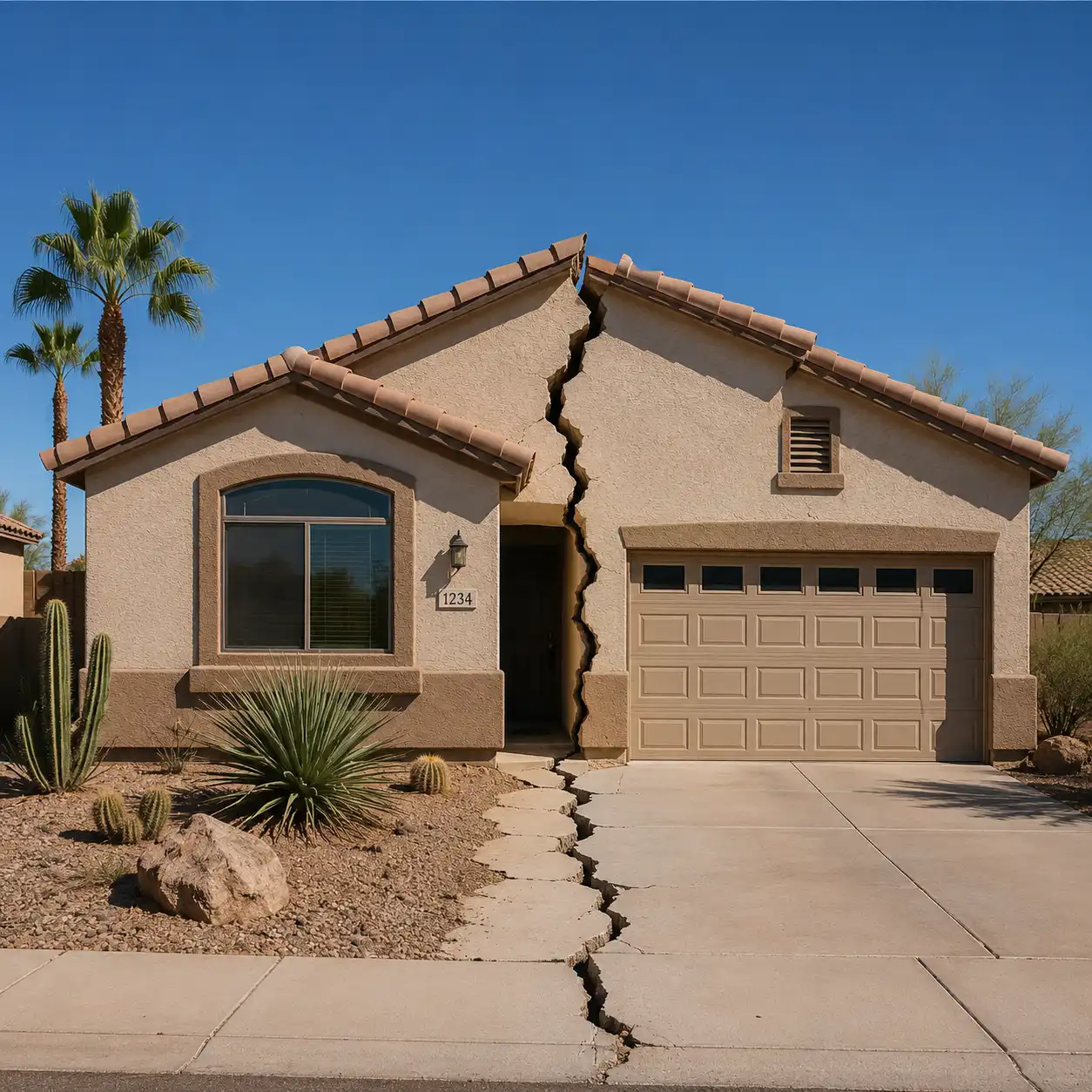
Real estate transactions involve significant financial commitments, detailed contracts, multiple professionals, and deadlines that can move quickly. While most purchases and sales close successfully, problems arise when important risks are overlooked, responsibilities are unclear, or buyers and sellers assume that someone else is protecting their interests.
The strongest transactions do not rely on a single inspection, disclosure, contract clause, or insurance policy. Instead, they combine three essential layers of protection: carefully drafted agreements, appropriate insurance coverage, and thorough due diligence.
Common Problems That Surface After Closing
Many real estate disputes begin with an issue that was either unknown, misunderstood, or insufficiently addressed before closing.In residential transactions, common concerns include:
- Undisclosed property defects
- Water intrusion, mold, roof problems, or structural damage
- Unpermitted additions or improvements
- Boundary, access, or easement disputes
- Code or zoning violations
- Disagreements over representations made by the seller
Once the transaction closes, resolving these problems can become considerably more expensive and complicated.
The Contract Determines Who Bears the Risk
A purchase contract does more than identify the property and establish the price. It allocates responsibilities between the buyer and seller. In residential transactions, standardized contracts provide a useful framework, but the parties must still understand the deadlines, contingencies, and obligations they are accepting.
The wording matters. A contractual protection is only valuable when it is clearly written, properly negotiated, and supported by the facts.
Disclosure Is Important—but It Is Not a Substitute for Investigation
Sellers are expected to disclose known material facts affecting the property. Residential transactions may include seller property disclosures, title documents, insurance-loss information, and other reports. However, disclosure forms are not warranties that every component of the property is free from defects. A seller may not know about a hidden condition, and a disclosure may not answer every question relevant to the buyer’s intended use.
Buyers should review disclosures carefully, ask follow-up questions, and compare the information provided with inspection findings, public records, title documents, repair invoices, permits, and other available information.
Due Diligence Should Match the Property
Due diligence is the process of identifying risks before the buyer becomes obligated to close. The appropriate investigation depends on the type, condition, location, and intended use of the property.For a residential purchase, due diligence may include:
- A general home inspection
- Roof, pest, pool, sewer, septic, mold, HVAC, or structural inspections
- Permit and zoning research
- Title and survey review
- Insurance availability and cost
- Well, water, septic, solar, and utility investigations
- Review of HOA documents and restrictions
- Evaluation of drainage, floodplain, access, and easement issues
Arizona buyers should pay particular attention to conditions that may not be obvious during a standard inspection, including drainage patterns, washes, private roads, shared wells, septic systems, unpermitted improvements, water availability, and the insurability of the property.
Insurance Covers Some Risks—not Every Risk
Insurance is another important part of transaction risk management, but policies have limitations.
Title insurance may protect against certain liens, ownership disputes, recording errors, and other covered title defects. It does not automatically cover every boundary, zoning, access, survey, or land-use issue.
Homeowners insurance typically covers specific future events, such as fire, storms, and certain types of water damage. It generally does not cover pre-existing defects, ordinary deterioration, or construction problems discovered after purchase.
Insurance should be reviewed before closing—not after a loss occurs. Buyers should confirm that the property is insurable, understand the coverage limits and exclusions, and determine whether additional endorsements or specialty policies are appropriate.
The Best Protection Comes From Combining All Three
Contracts, insurance, and due diligence serve different purposes.
The contract establishes the parties’ rights and responsibilities. Due diligence helps uncover problems while the buyer still has an opportunity to respond. Insurance may provide financial protection against certain risks that cannot be completely eliminated.
These safeguards work best together.
For example, an inspection may reveal a roof problem, but the contract determines whether the buyer can request repairs, seek a credit, renegotiate the price, or cancel. Insurance may cover future storm damage, but it may not cover a roof that was already failing before closing.
No single document or professional can identify every possible concern. Effective risk management requires communication and coordination among the buyer, seller, real estate agents, inspectors, title professionals, lenders, insurance representatives, consultants, and attorneys when appropriate.
A Successful Closing Begins With Careful Preparation
A closing marks the end of the transaction, and it should not be the beginning of a dispute. Careful planning, meaningful due diligence, appropriate insurance, and clearly written agreements can significantly reduce the likelihood of costly post-closing surprises.
This article, although written by an attorney, is provided for solely general informational purposes and does not constitute legal or other professional advice. Buyers and sellers should consult qualified professionals regarding their individual circumstances.
Social Cookies
Social Cookies are used to enable you to share pages and content you find interesting throughout the website through third-party social networking or other websites (including, potentially for advertising purposes related to social networking).