
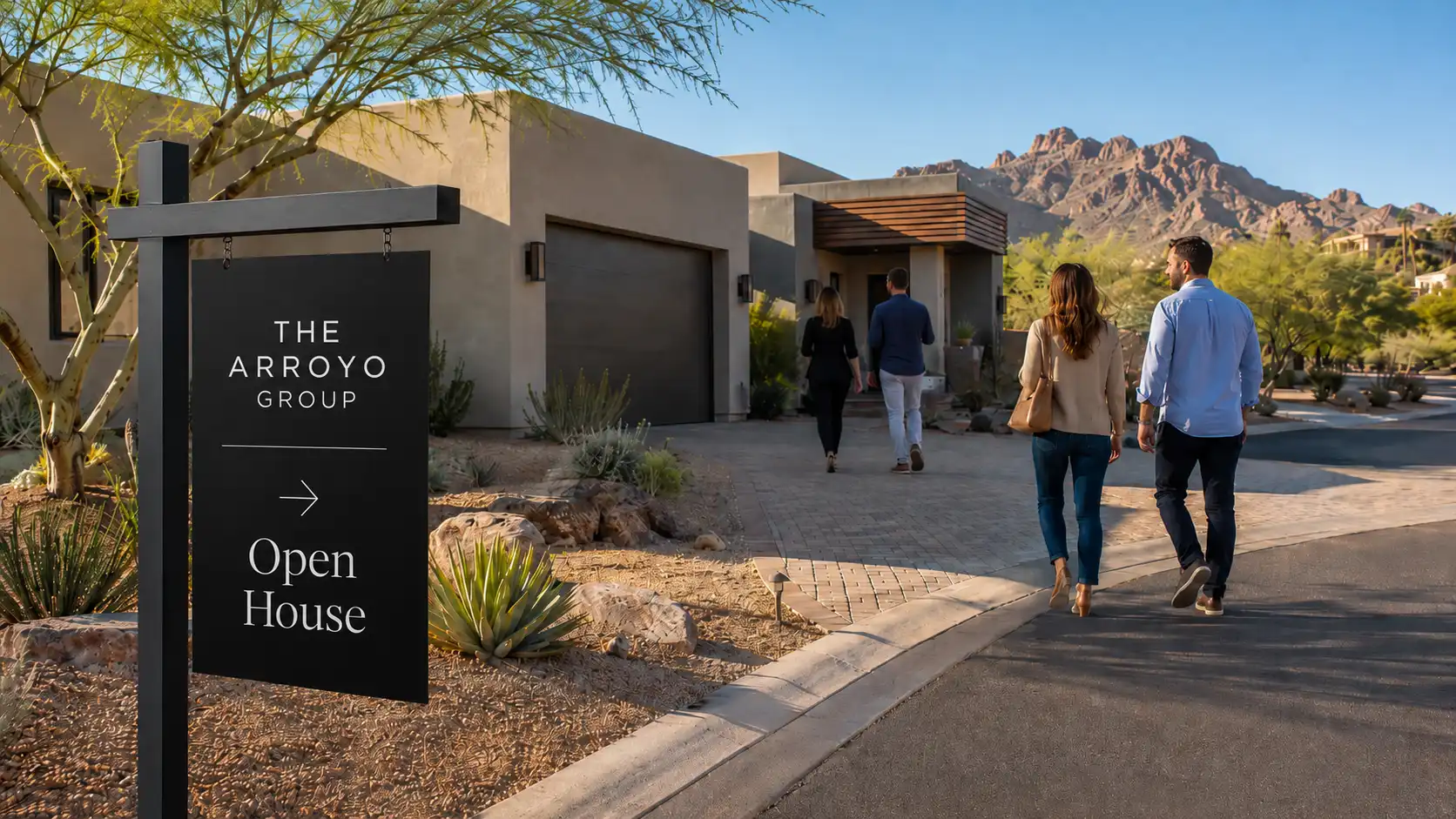
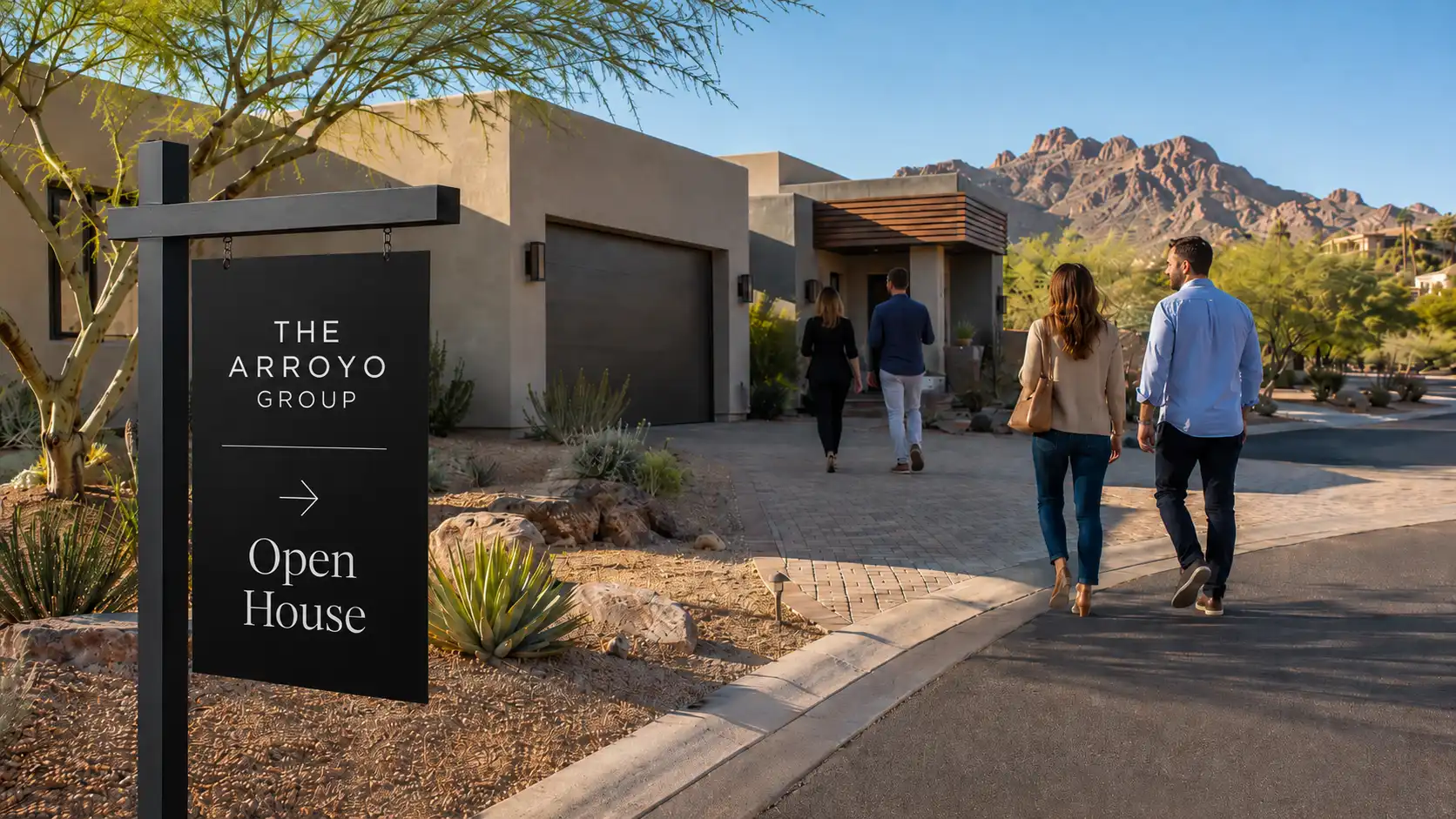
Your home is prepared, polished, and ready to be seen. The next question is how to bring qualified attention through the door in a way that supports your sale and protects your home.
Open houses can be an effective part of a broader marketing strategy. Some buyers are not ready to call an agent or schedule a private showing. They prefer to explore homes casually, on their own timeline, and with a sense of anonymity. An open house gives those buyers an easy, low-pressure way to experience your home in person.
Open houses also attract neighbors, curious visitors, and people who may not appear to be active buyers. That is not a negative. Neighbors often know people who would love to live in the area. Visitors talk. Word spreads. In the right circumstances, an open house can turn the surrounding community into an informal extension of your marketing team.
Once your home is listed, the open house dates and times are added to online listing platforms. On the day of the open house, directional signs help capture additional traffic from people already driving through the neighborhood, often hoping to find the right home before someone else does.
That said, open houses are not without drawbacks. They bring strangers into your home. Some will be respectful. Some may not be. People may track in dirt, open cabinets and closets, comment on design choices, or allow children to wander. It is not the norm, but it does happen.
For that reason, your open house should be thoughtfully staffed. We recommend having more than one agent present in larger homes or homes with multiple levels, guest houses, detached spaces, or expansive outdoor areas. Additional licensed agents, or in some cases non-agent assistants acting only in a support capacity, can help greet visitors, monitor traffic flow, and keep an eye on the property. They are there to protect the experience and the home, not to replace the agent’s role.
Before any open house, valuables should be removed or secured. This includes jewelry, medications, keys, small electronics, personal documents, collectibles, and anything else that could be easily picked up, damaged, or misplaced. Larger items that should not be touched or moved should be covered or clearly protected.
It is also appropriate to set boundaries. You may remove toilet paper and place a polite “Please Do Not Use” sign on toilets that are not intended for public use. You may place shoe covers near the entrance and request that visitors remove their shoes or wear covers during rain or muddy conditions. Your home is being marketed, but it is still your home.
An open house is optional. Many sellers are not comfortable having unaccompanied strangers walk through their home, open doors, and explore private spaces. That concern is valid. The decision to hold an open house belongs to you. There are benefits and risks, and the final decision is yours.
At The Arroyo Group, our role is to help you make that decision with clear information, sound strategy, and respect for your privacy, your property, and your comfort level.
This article is provided solely for general informational purposes and does not constitute legal, tax, lending, or other professional advice. Although the author is an attorney, no attorney-client relationship is created by this article. Real estate laws, contract requirements, lending guidelines, and individual circumstances vary. Buyers and sellers should consult qualified professionals regarding their specific transaction.
Social Cookies
Social Cookies are used to enable you to share pages and content you find interesting throughout the website through third-party social networking or other websites (including, potentially for advertising purposes related to social networking).